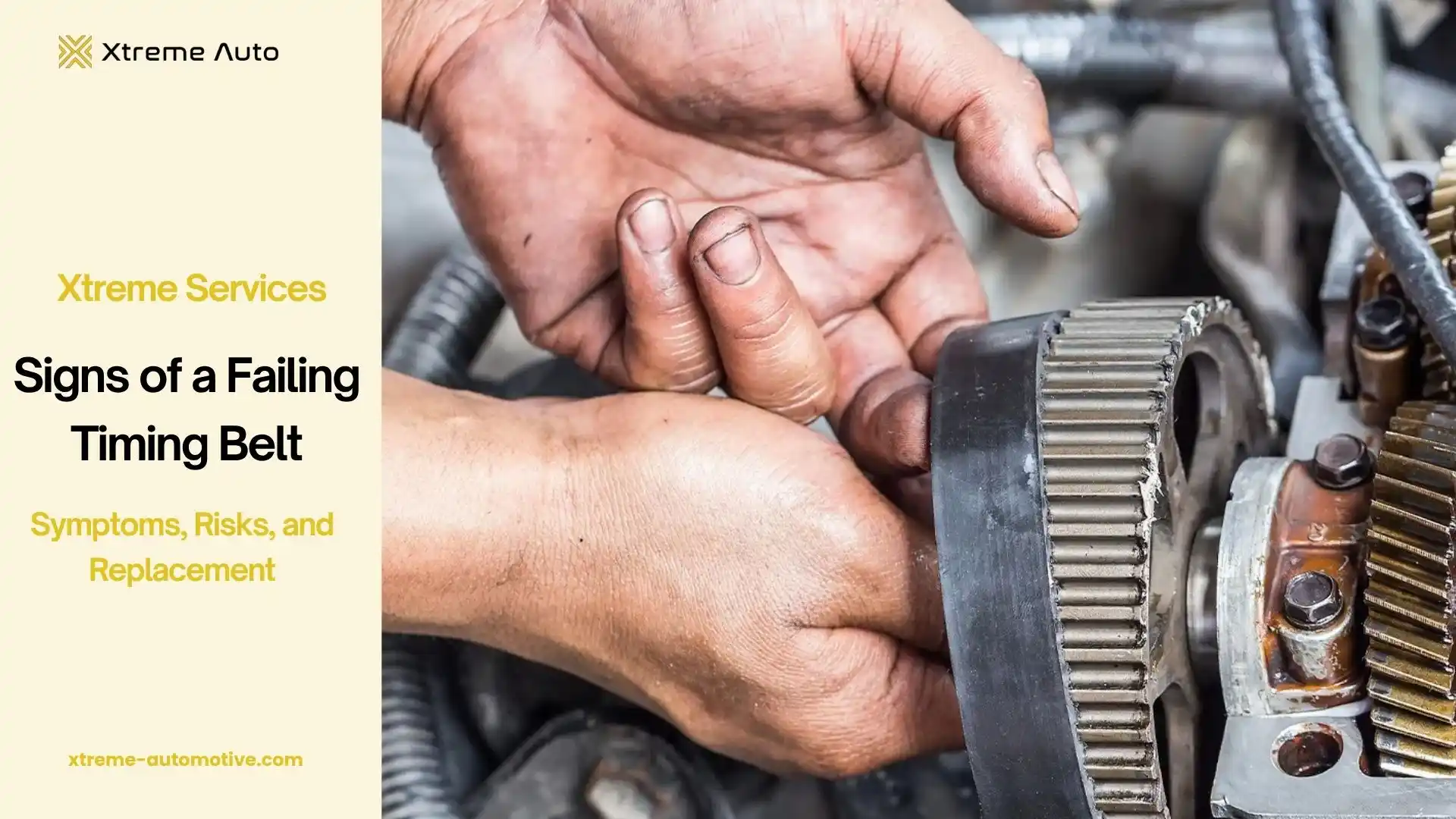
It is important to be able to identify the symptoms of a malfunctioning timing belt to prevent serious engine damage and unexpected failures
It is important to be able to identify the symptoms of a malfunctioning timing belt to prevent serious engine damage and unexpected failures. The timing belt is very important in engine synchronization, and neglecting signs of a failing timing belt may cause expensive repairs or even engine failure.
What Is a Timing Belt and Its Function
The timing belt is a rubber part that coordinates the rotation of the crankshaft and camshaft and provides correct timing of the engine to combustion. In cases of problems, there are usually indications of a malfunctioning timing belt that manifest slowly then abruptly.
Difference Between Timing Belt and Timing Chain
A timing belt is composed of reinforced rubber, and it needs to be replaced periodically, whereas a timing chain is metal-based and lasts longer. This difference can be used to more precisely detect the indicators of a failing timing belt.
Common Signs of a Failing Timing Belt
A failing timing belt can be signaled by early symptoms such as abnormal engine noise, rough idling, and inability to start the engine.
- Engine Misfires
- Ticking Noise from Engine
- Difficulty Starting the Engine
- Oil Leaks from Front of Engine
- Visible Wear or Cracks on Belt
- Serious Symptoms of Timing Belt Failure
More serious indicators of a broken timing belt are engine misfires, power loss, and engine shutdown, which can be the signs of a possible imminent failure.
- Engine Won’t Start
- Sudden Engine Stop While Driving
- Engine Damage (Bent Valves)
- Causes of Timing Belt Failure
The wear and tear, oil leakage, improper maintenance, or surpassing the suggested replacement period can lead to timing belt failure, which contributes to indicators of a failing timing belt over time.
- Lack of Regular Replacement
- Oil or Coolant Leakage
- Poor Quality Belt
- High Engine Temperature
When Should You Replace the Timing Belt
You should replace the timing belt according to the manufacturer’s recommended schedule, usually before any signs of a failing timing belt appear, because waiting until symptoms show can lead to sudden failure and serious engine damage.
Recommended Mileage and Time Interval
The timing belt should be replaced at 60,000 to 100,000 km, and disregarding it may result in the manifestation of a failing timing belt at any moment.
Manufacturer Guidelines
There are certain guidelines for each vehicle, and adherence to them can prevent some unpleasant surprises of a broken timing belt and engine damage.
Is It Safe to Drive with a Bad Timing Belt?
No, it is not safe to drive with a damaged or worn timing belt, especially if signs of a failing timing belt are already appearing, because the belt can break suddenly and cause severe engine damage, so the vehicle should be inspected and repaired immediately.
Risks of Engine Damage
Operating with a frayed timing belt may lead to serious internal engine damage, particularly when the indicators of a frayed timing belt are already present.
When to Stop Driving Immediately
When you hear loud ticking, misfiring, or engine warning lights, you must pull over because these are serious signs of a failing timing belt.
How to Diagnose Timing Belt Issues?
Diagnosis of timing belt issues is done by checking the condition of the belts, engine timing performance, and hearing odd noises that may be indicative of a failing timing belt.
- Visual Inspection
- Listening to Engine Sounds
- Checking Engine Performance
How to Fix Timing Belt Problems
Fixing timing belt problems usually requires replacing the belt completely once signs of a failing timing belt are confirmed, along with inspecting related components such as the tensioner and pulleys to ensure proper engine timing and prevent future failure.
Replacing the Timing Belt
The best option is to change the timing belt completely when the indicators of a faulty timing belt are established.
Replacing Related Components (Tensioner & Pulleys)
To completely remove evidence of a failing timing belt problem, it is commonly advised to replace tensioners and pulleys and the belt.
Cost of Timing Belt Replacement
The price depends on the type of vehicle and the labor, and to be precise, it is advisable to visit a professional service center and have a professional assess the signs of a failing timing belt and give a complete quote. Contact Xtreme Service to be inspected and priced.
One should always trust an automotive service center to check and repair the car in a safe manner.
Don’t wait for engine damage to occur. Schedule a fast check-up today with Xtreme Service to identify the symptoms of a faulty timing belt in time and book your professional replacement.
Tips to Maintain the Timing Belt
Routine checkups, replacement, and preventing oil spillages can minimize the chances of indications of a failing timing belt and prolong the engine life.
Follow the Manufacturer’s Replacement Interval
Always replace the timing belt at the recommended mileage or time interval to prevent unexpected failure.
Inspect for Cracks and Wear
Regularly check the belt for cracks, fraying, or glazing, as these are early signs of deterioration.
Keep the Engine Leak-Free
Oil or coolant leaks can damage the timing belt material and significantly shorten its lifespan.
Replace Related Components Together
It’s best to replace tensioners, pulleys, and the water pump along with the timing belt to ensure system reliability.
Avoid Harsh Driving Conditions
Aggressive driving and extreme temperatures can accelerate wear on the timing belt.
Listen for Unusual Noises
Ticking or squealing sounds from the engine area may indicate belt misalignment or tension issues that need immediate attention.
FAQs
What are the signs of a failing timing belt?
The initial symptoms of a broken timing belt are engine ticking, misfiring, and car difficulty in starting.
Is it possible that a timing belt will snap?
Yes, a timing belt can fail suddenly, especially if maintenance is neglected, making early detection of signs of a failing timing belt very important.
What will occur when a timing belt snaps when driving?
A snapped timing belt may result in serious engine damage, such as valves bent and piston damage.
Does Xtreme Service check timing belts?
Yes, Xtreme Service offers complete inspection and replacement services of timing belts and other related parts.
Why would you prefer Xtreme Automotive to maintain your car?
Xtreme Automotive provides end-to-end services for the vehicle, including the maintenance, inspection, and customer care of all the car systems.
